Published July 27, 2026 · Home Builder Pool Pros
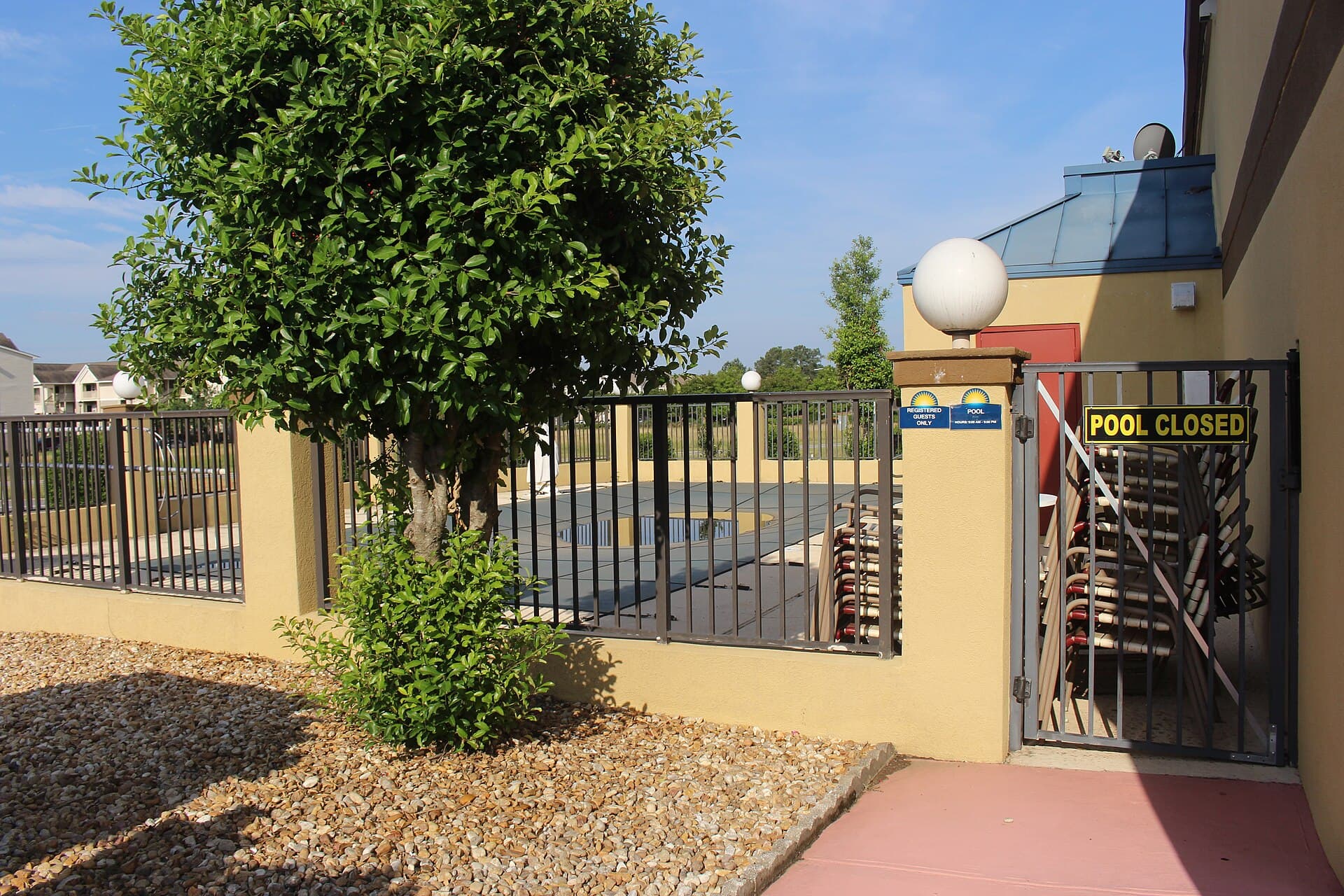
Nobody puts this in the property management brochure, but every amenity pool has this day eventually, usually on a Saturday in July. What most managers don't know: there are two completely different protocols depending on what happened, the difference between them is about thirty minutes versus thirteen-plus hours of closure, and in Texas the response isn't just health guidance — the state rule requires the incident and your remedial actions to be recorded in the pool log and kept for three years. Here's the playbook.
Why this is law in Texas, not just advice
The CDC's fecal incident response recommendations are technically guidance — but Texas hard-wires them into the pool rule three ways. The rule's definition of "hyperchlorination" points directly at the CDC's guidance document. The mandatory pool log must record "formed stool or diarrhea in a pool or spa and remedial actions taken as a result." And emergency action plans must follow CDC standards for stool, vomit, and blood contamination. So an inspector reviewing your log after an incident isn't checking courtesy — they're checking compliance.
Formed stool: the 30-minute version
- Close the pool and clear everyone out immediately
- Remove the stool with a net or scoop — never the vacuum — then clean and disinfect the equipment
- Raise free chlorine to 2 ppm if it's below, and hold 2 ppm at pH 7.5 or lower for 25–30 minutes (or 3 ppm for 19 minutes)
- Confirm filtration is running, verify levels, reopen — total downtime under an hour if chemistry cooperates
Diarrhea: the 13-hour version
A diarrheal incident is treated as presumed Cryptosporidium — a parasite so chlorine-tolerant it survives days in a normally chlorinated pool. The CDC target is a chlorine-contact value that works out to 20 ppm free chlorine held for 12.75 hours at pH 7.5 or lower in unstabilized water. The pool stays closed the whole time, then the filter gets backwashed to waste — straight to the sewer, not recycled — before reopening.
That's the best case. The realistic Texas case is worse, and it's because of stabilizer.
The stabilizer trap that catches Texas pools
Cyanuric acid — the stabilizer in trichlor tablets that most Texas outdoor pools run on — shields chlorine from sunlight, and it shields Crypto from chlorine the same way. With even 1–15 ppm of stabilizer in the water, the hyperchlorination requirement jumps to 20 ppm for 28 hours (or 30 ppm for 18, or 40 ppm for 8.5). Above 50 ppm of stabilizer, the CDC says effective Crypto inactivation can't practically be achieved at all — the pool has to be partially drained and diluted first, then hyperchlorinated. A tablet-fed amenity pool in August is very often in that last category, which turns a bad Saturday into a multi-day closure with water replacement. For spas and splash pads, draining and scrubbing is usually more practical than hyperchlorination.
This is also the quiet argument for keeping stabilizer managed all season — something we track on every commercial visit — because CYA level is the difference between a one-day closure and a three-day one when this happens.
The manager's one-page protocol
- Close immediately and clear the water — for either incident type
- Identify which protocol applies: formed stool (~30 minutes) or diarrheal (13+ hours, longer with stabilizer)
- Remove what can be removed with a net; never vacuum it
- Treat to the CDC targets; for diarrheal incidents, backwash the filter to waste afterward
- Reopen only when chlorine is back in the Texas operating range (1–8 ppm free chlorine, pH 7.0–7.8)
- Log it: date, time, incident type, chlorine and pH at the time, the treatment run, and the duration — the entry is state-required and the log is kept three years
Treatment values are CDC guidance as incorporated by Texas rule, current as of mid-2026. A closed pool that was shut by the city requires the city's reopening process — check your city's program. When in doubt, keep it closed and call for help.