Published July 27, 2026 · Home Builder Pool Pros
An amenity pool is really two budgets wearing one line item. There's the operating budget — the service contract, chemicals, and permit fees that recur every year — and there's the capital cliff: the replaster, the pump, the filter, the heater, each on its own countdown clock from the day it was installed. Properties that only budget the first one meet the second one as an emergency, usually in June. Here's what each actually costs, using published industry ranges and DFW-specific numbers, so the pool shows up in the budget the way it shows up in real life.
The operating budget
Published industry ranges put apartment-pool service at $250–$600 per month per pool at three to five visits a week — roughly $3,000–$7,200 a year — with hotel and high-amenity pools running higher. Treat those as orientation, not a quote: the real price drivers are visits per week, number of bodies of water (a spa is its own permitted body with its own fee in most DFW cities), equipment age, whether chemicals are bundled, and how much documentation your compliance posture demands. A bid dramatically under market is usually missing one of those pieces.
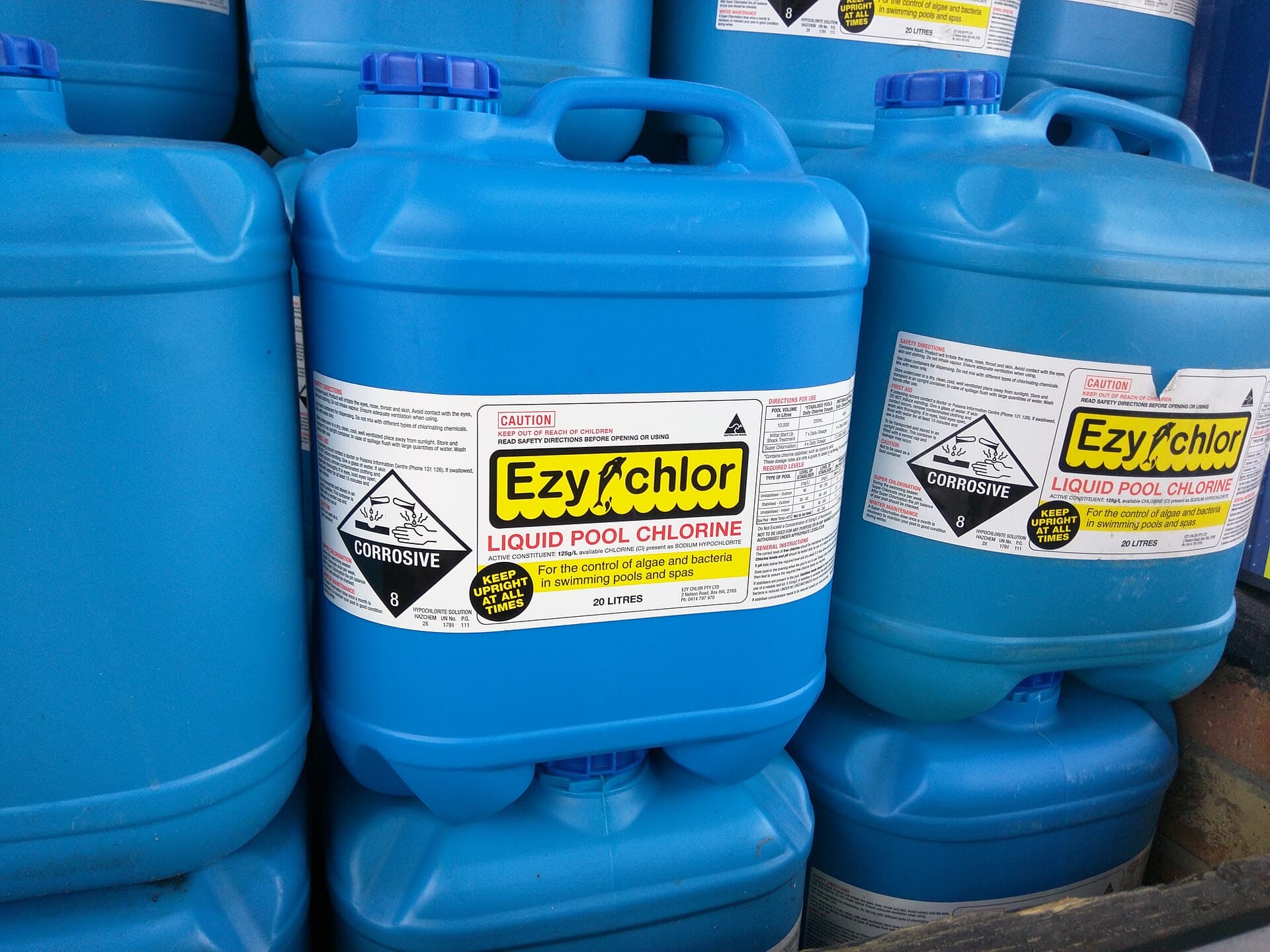
Chemicals deserve their own line. Industry chemical costs roughly doubled between 2016 and the early 2020s — a 50-pound bucket of trichlor that ran about $75 pre-pandemic peaked near $220 — and prices never returned to old levels. If your service contract passes chemicals through, budget for that reality; if they're bundled, understand the vendor has, which is why bundled prices moved too.
Then the regulatory layer: every DFW city charges an annual permit per body of water — from $100 in Carrollton to $500 in McKinney, with most cities in the $175–$385 range — plus operator-certification costs and, in some cities, items like Garland's required electrician checklist. Small numbers individually, but a portfolio with six pools across three cities should carry a real permits-and-compliance line.
The CapEx cliff
Every major pool component has a useful life, and reserve planning is just writing those dates down before they write themselves down. Published lifecycle and cost ranges for commercial equipment:
| Component | Useful life | Replacement cost (installed) |
|---|---|---|
| Plaster interior finish | 8–12 yrs (shorter under heavy bather load) | $24,000–$36,000 for a large commercial pool (~$6.50–$8/sq ft) |
| Variable-speed pump (commercial) | 8–12 yrs | $3,500–$6,500 |
| Commercial filter | 10–15 yrs | $4,000–$9,000 |
| Gas heater / heat pump | 7–12 yrs | commercial heat pump installs $8,000–$18,000 |
| Salt chlorinator cell | 3–7 yrs (often 3–5 in practice) | $700–$1,800 per cell |
| VGB drain covers | 5–7 yrs from install — they expire by law | $150–$500 per cover |
| Pool furniture | 5–10 yrs | ~$9,500 per set (HOA reserve benchmark) |
| Pool deck resurfacing | 10–15 yrs | ~$8/sq ft |
CapEx or OpEx? The clean rule
The reserve-study world has a rule of thumb that transfers perfectly to multifamily budgeting: fixing a broken pump this month is operating; replacing the pool deck at the end of its life is reserve. Routine service, chemicals, and minor repairs live in OpEx. Resurfacing, equipment replacement, deck, fencing, and furniture are capital components with predictable lives — inventory them with install dates at acquisition, because underfunded reserves are how a $30,000 replaster becomes a mid-season emergency instead of a planned winter project.
Two budgeting notes that save real money: bundle waterline tile and coping work into the replaster event, since the drain-down and mobilization costs are shared. And apply the 50% rule on aging equipment — when a repair quote exceeds about half the installed replacement cost, replace, because you're otherwise paying twice.
What neglect actually costs
- Green-pool recovery in Texas runs $300–$800 for chemical treatment and $500–$1,500+ when a drain-and-clean is required — days of a closed amenity in peak leasing season either way
- In Texas heat, a balanced pool can turn in about 48 hours; a bloom treatable in one visit becomes a multi-day project within a week of inaction
- If the city closed the pool, reopening has a price: $200 per body of water in Fort Worth, $75 reinspection in McKinney — plus a posted closure notice every resident walks past
- Fort Worth pool-ordinance violations are Class C misdemeanors carrying fines up to $2,000 — with each day counted as a separate offense
- Acid washing strips a layer of plaster every time — repeated recovery from neglect literally accelerates the replaster, your single largest capital item
Why the pool earns its budget
In the 2024 NMHC/Grace Hill renter preferences survey of over 170,000 renters, 76% wanted a community pool and 23% called it a must-have. That's actually down from the 2017 survey, and the honest read is useful: the pool is no longer a differentiator — it's table stakes. Nobody picks your property because the pool exists; plenty of prospects walk when it's green or gated shut in July. That reframes the maintenance budget: you're not funding an amenity upgrade, you're protecting a marketed promise.
The upside case still exists in repositioning. Trade-press rehab case studies put pool-area renovations inside larger value-add programs that produced $125–$200 per unit rent increases — and a recent Dallas comp, a $1.2 million pool-deck renovation at a Cityplace-area community, shows what owners here are actually spending when the pool area is the centerpiece of a reposition. If you're buying a 1980s community in this metro, the pool area is almost always on the renovation scope; budgeting it at acquisition beats discovering it at year two.
A sane reserve plan in five moves
- At acquisition, inventory every pool component with install date, useful life, and replacement cost — including the drain covers and their expiration dates
- Fund the replaster from year one, sized to your pool's surface area, even if the finish looks fine today
- Carry a repairs line distinct from the service contract — pumps and heaters fail in-season, and T&M repairs above your pre-authorization threshold need a home in the budget
- Put permits, operator certifications, and city-specific compliance items on a calendar with owners — the fees are small, the late penalties and closures are not
- Revisit chemical assumptions annually — the post-2020 price levels are the new baseline, not a spike that's coming back down
Cost figures are published industry ranges and city fee schedules as of mid-2026, not quotes — actual pricing depends on pool size, equipment, visit frequency, and city requirements. Confirm current fees with each city's pool program office.