Published July 27, 2026 · Home Builder Pool Pros
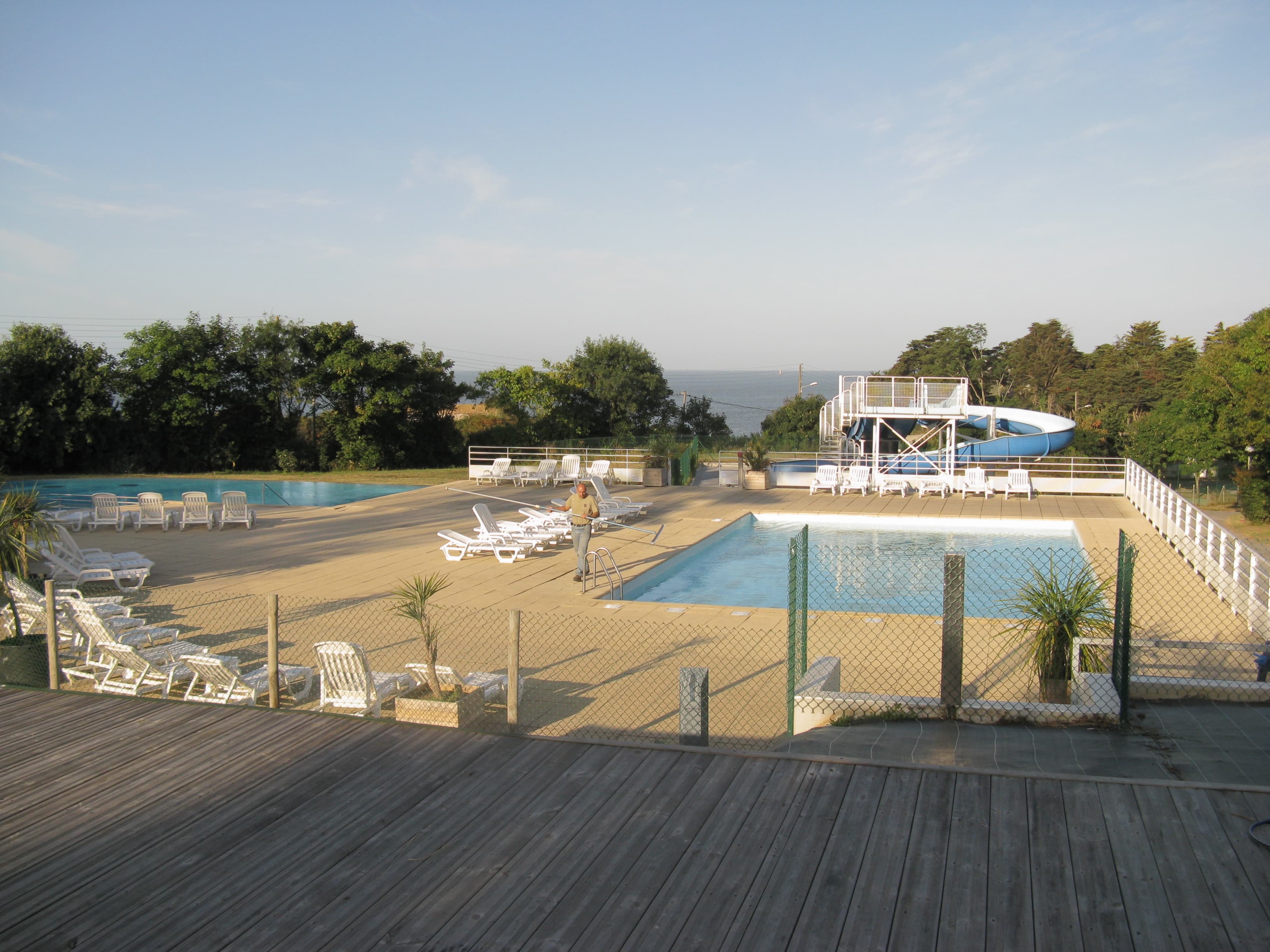
Most apartment pool contracts get signed on price and a handshake, and most of the pain that follows traces back to that moment. A commercial amenity pool isn't a big residential pool — it's a regulated facility with a health permit, a required certified operator, mandatory chemical logs, and a liability profile that shows up in wrongful-death filings. The vendor you hire is either carrying that compliance load for you or quietly leaving it on your desk. Here's what a real commercial pool vendor looks like, so you can tell the difference before the contract is signed instead of after the city posts a closure notice.
The paperwork is the product
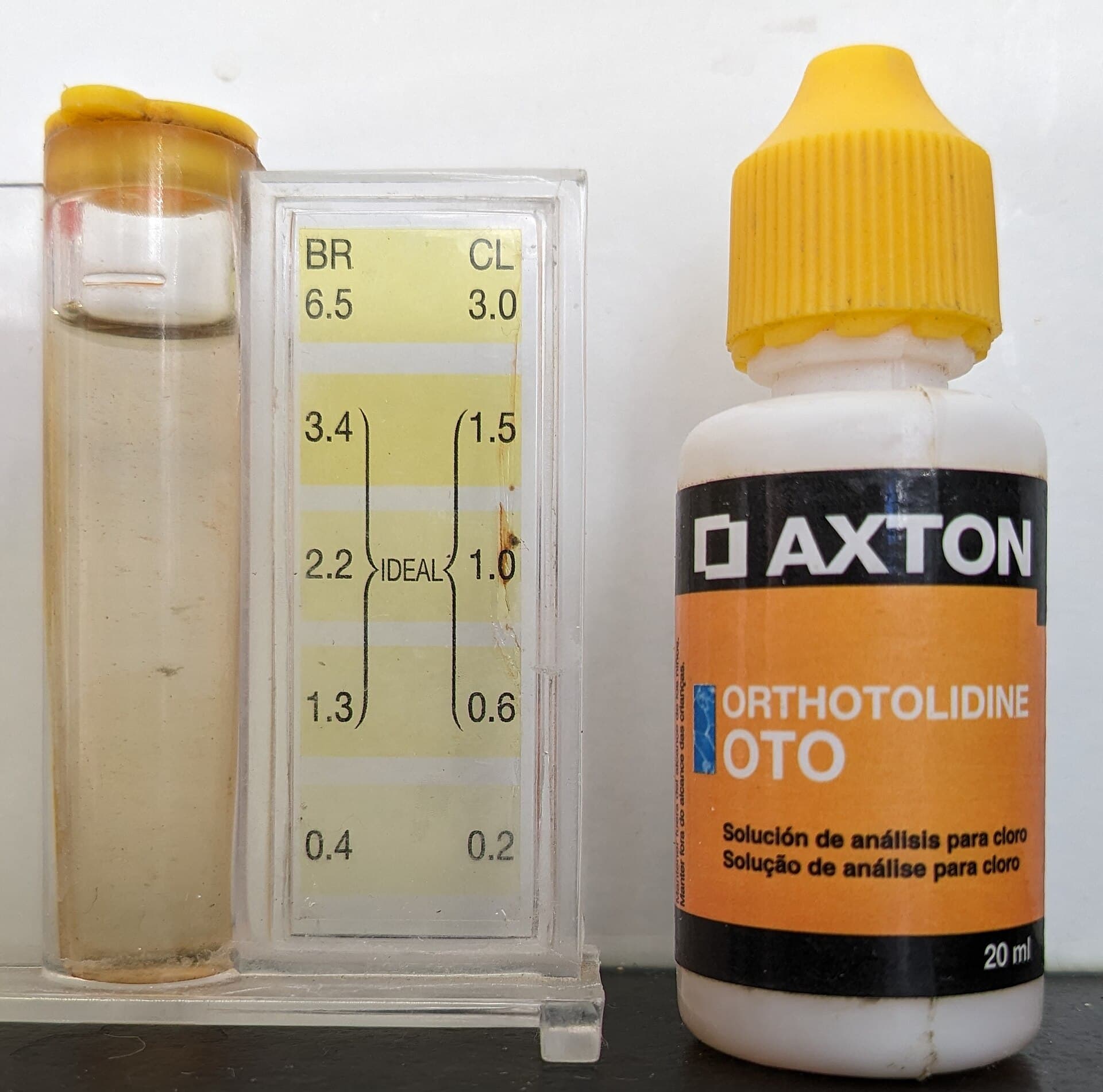
Texas law — Chapter 265 of Title 25 of the Texas Administrative Code — requires every apartment, condo, and HOA pool to operate under a trained, certified operator (CPO, AFO, or equivalent), and requires every chemical test to be recorded in a pool log retained for at least three years. Apartment-class pools must be tested at least once a day when no staff is on-site, and full water balance must be checked and logged at least every ten days. If an inspector or the state asks for those logs, they must be produced within five business days.
Here's why that matters beyond passing inspections: in a Texas premises-liability claim, the question is whether the property knew or should have known about a dangerous condition. The service log — what was tested, what was found, what was corrected, and when — is the owner's evidence. A vendor who keeps timestamped, per-visit digital records with chemical readings and photos isn't doing bookkeeping; they're building your legal defense. A vendor with a wet notebook in a truck is not.
How often should they actually show up?
Published industry norms put apartment and HOA pools at three to five visits per week in season — not the once-a-week cadence of a residential route. But the visit count alone is where bids get gamed. A "visit" can mean a full service stop (brush, vacuum, skim, baskets, filter check) or a chemical-only stop (test, dose, glance at the pad). Both are legitimate — a healthy contract mixes them — but the scope of work should say exactly how many of each you're buying, because two bids at the same price and the same "3x weekly" can differ by half the actual labor.
Frequency should track bather load, not just the calendar. A 300-unit community's pool on a July weekend picks up sunscreen, organics, and chlorine demand that Monday-Wednesday-Friday service was never designed to catch. Ask how the vendor adjusts cadence in peak months — a real commercial operator has an answer, because their route planning depends on it.
Insurance: settle this before anyone walks on property
- Commercial general liability at $1M per occurrence / $2M aggregate is the standard floor for multifamily vendor programs — larger owners commonly require more
- Your ownership entity and management company should be named as additional insured via actual endorsements, with primary and non-contributory wording — not just listed on a certificate
- A certificate of insurance by itself proves little; it's informational. Ask for the endorsement pages and verify the exact legal entity names
- Ask specifically whether the policy excludes aquatic liability or chemical/pollution events — some general liability policies carve out exactly the risks a pool vendor exists to manage
- Workers' compensation, always — a vendor's injured tech without coverage becomes the property's problem
The compliance work a vendor should own
Under the federal Virginia Graeme Baker Act, apartment pools are public pools — the statute says so explicitly — and every drain must have a compliant anti-entrapment cover. What most property teams don't know: those covers expire. They carry a marked service life, typically five to seven years from installation, and must be replaced on schedule even when they look fine, with records of models and install dates. A vendor should be tracking those dates for you, because nobody on the property team is going to remember a 2021 drain cover in 2027.
The same goes for the local permit calendar. Every DFW city runs its own program — different fees, different renewal deadlines, different operator-certification rules — and a vendor running commercial routes should know your city's dates cold and prep the pool before inspection season. Gates deserve special mention: a self-latching gate that doesn't latch is the single most cited life-safety violation in multifamily inspections, and it's also the classic fact pattern in child-drowning litigation. Texas's official child-fatality tracker recorded 88 child drownings in 2025, including apartment-pool drownings in Dallas County. A vendor who checks and logs the gates on every visit is directly reducing the property's largest liability exposure.
Red flags in a bid
- No per-visit proof — if you can't verify a visit happened, you will eventually have the "nobody came this week" dispute, and you'll lose it
- Chemical-only service marketed as full service — clear water with a failing pump is a pool that closes in August
- Verbal scope, or a one-line contract — exclusions (repairs, freeze events, green-pool recovery, emergency callouts) need to be in writing before they're needed
- No named certified operator — Texas requires one for your pool; if the vendor isn't providing it, you're providing it and may not know it
- No answer on inspection support — "who stands with us when the health inspector comes, and what does it cost" should get a specific reply
- A price dramatically below every other bid — apartment pools have published market ranges; a bid far under them is missing scope you'll pay for later
The questions to ask before you sign
- Who holds the certified operator credential for our property, and will you serve as operator of record? Show the certificate
- Provide the COI plus additional-insured endorsement pages naming our entities — and confirm aquatic and pollution coverage
- Exactly how many visits per week, and which are full-clean versus chemical-only?
- Are chemicals in the flat fee or billed separately, and at what markup?
- What equipment gets checked and how often — pump, filter pressure, heater, drain covers, gates, GFCI?
- How do we verify visits — GPS check-in, timestamped readings, photos? Do we get automatic reports?
- Will your logs satisfy the state's daily-testing and three-year-retention rules, and be producible in five business days?
- What's the repair pre-authorization threshold, and the hourly rate above it?
- What's the emergency response commitment, after-hours charge, and freeze-event protocol?
- Term, escalation, cancellation rights, and what happens to our records if we part ways?
Regulatory citations reflect Texas and DFW-city requirements as published in mid-2026. Insurance figures are common multifamily vendor-program requirements, not legal advice — your ownership's risk team sets your actual thresholds.