Published July 27, 2026 · Home Builder Pool Pros
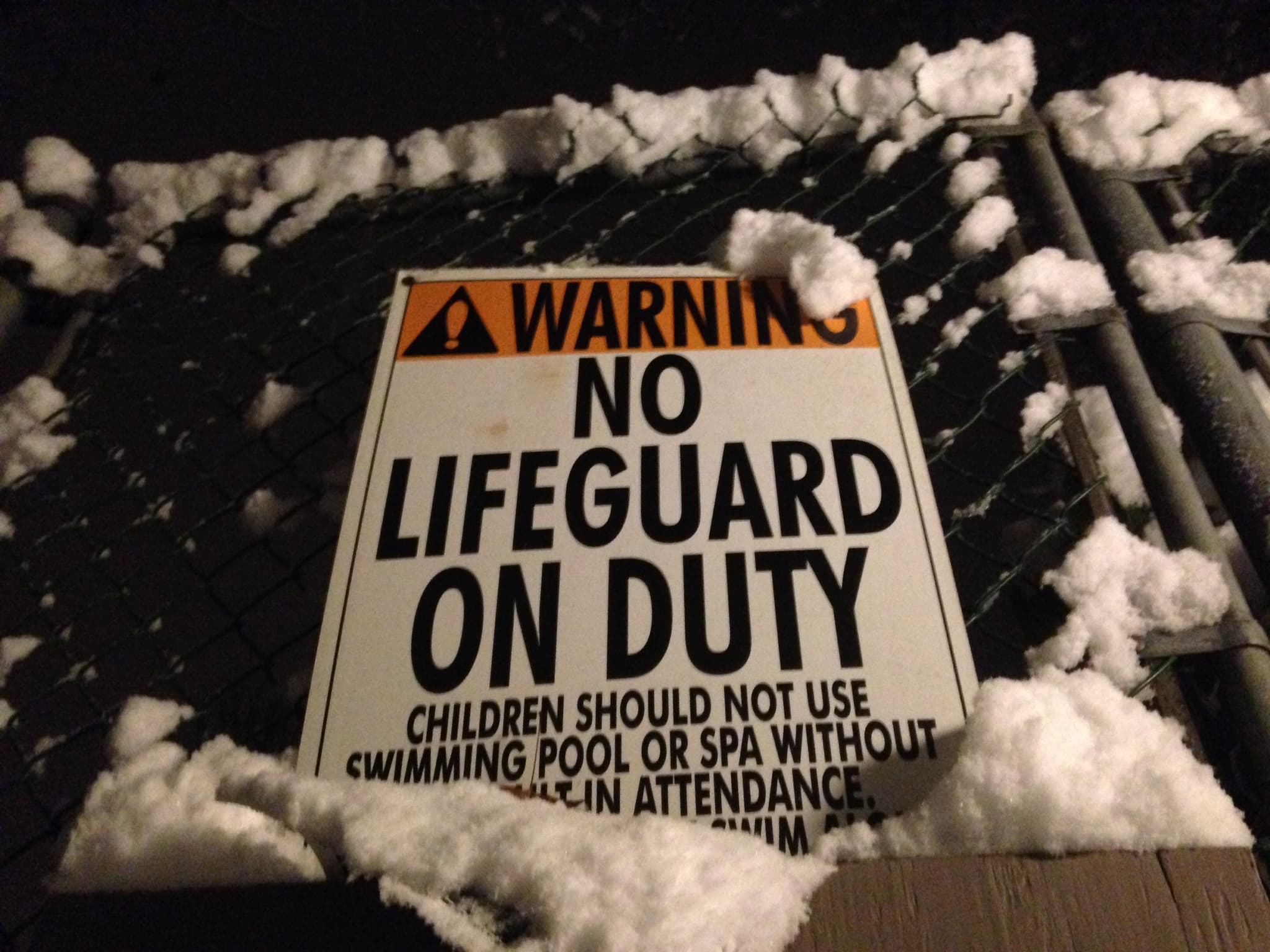
This is one of the most-asked questions in multifamily operations, and most of the answers floating around are wrong — usually because they get the pool's legal classification wrong. Under Texas rules, an apartment, condo, or HOA pool that's limited to residents and their guests is a Class C pool, and Class C pools carry no state lifeguard requirement for ordinary operation. But the rule has teeth in three specific places: features, events, and signage. Here's the actual law, from Chapter 265 of Title 25 of the Texas Administrative Code.
Class B or Class C? The answer changes everything
The Texas rule sorts pools into classes. Class A is competition pools. Class B is any pool "open to the general public with or without a fee" — municipal pools, waterparks. Class C is a pool limited to "occupants, members, or students and their guests" — which is exactly an apartment, condo, RV park, or HOA pool. The distinction matters because the lifeguard rule attaches to the class: Class B pools must have lifeguards whenever they're open. Class C pools don't. Plenty of secondary sources mix these up, which is why you'll find confident wrong answers in both directions online.
When a lifeguard IS required at a Class C pool
The rule requires a minimum of two lifeguards — not one — in these situations:
- Any pool where users enter the water from above the deck — diving boards, platforms, drop slides, waterslides, climbing walls, or zip lines that are open for use
- Any wave or surf pool
- Any pool while it's being used for recreation of youth groups — camps, visiting childcare or school groups (the guards can be provided by the facility or by the group)
- And the big one: a Class C pool that is "occasionally made available to the public, with or without a fee" must meet Class B lifeguard standards during that use — so a public swim event, ticketed pool party, or publicly sold swim lessons temporarily converts your pool to Class B
No lifeguard? These exact signs are mandatory
Where no lifeguard is required or provided, the rule prescribes specific signs with specific wording and letter heights: "WARNING-NO LIFEGUARD ON DUTY" in 4-inch letters, "NO DIVING" with the international no-diving symbol in 4-inch letters, and "PERSONS UNDER THE AGE OF 14 MUST NOT BE IN THE POOL WITHOUT ADULT SUPERVISION" in letters at least 2 inches high.
Note what's not on that list: "swim at your own risk." That phrase is not the legal wording, and a sign shop's generic version doesn't satisfy the rule — variations are allowed only if they're substantially equivalent and pre-approved by your local pool regulatory official before posting. If your pool's signage predates a renovation or came from a generic catalog, it's worth an audit against the actual rule.
What this means for events, parties, and swim lessons
The resident-only line is where properties get into trouble without noticing. Renting the pool area to an outside group, hosting a swim-lesson program that enrolls non-residents, or running a marketed-to-the-public event puts the pool under Class B standards for that operation — meaning two certified lifeguards on duty, minimum. The safe pattern: keep events resident-and-guest only, or if you open the gates wider, staff it like the rule requires and document that you did.
The rest of the unguarded-pool checklist
- An emergency summoning device within 200 feet of the water, working whenever the pool is open — and it cannot ring to the leasing office; it must reach 911 or emergency services directly
- At least one USCG-approved ring buoy (24-inch max) with a throw rope at least two-thirds the pool's width, plus a 12-foot non-conductive reaching pole with a blunted shepherd's crook — visible and accessible from the whole pool yard
- Gates locked whenever the pool is closed, and never propped open unless a contractor is actively working
- Hours of operation posted — and if the pool has no compliant lighting, it effectively can't operate after dark
Based on 25 TAC Chapter 265, Subchapter L as of mid-2026. DFW cities may adopt stricter local requirements — confirm with your city's pool program. This is operational guidance, not legal advice.