Pool equipment repair after a freeze
frozen pool equipment repair texas
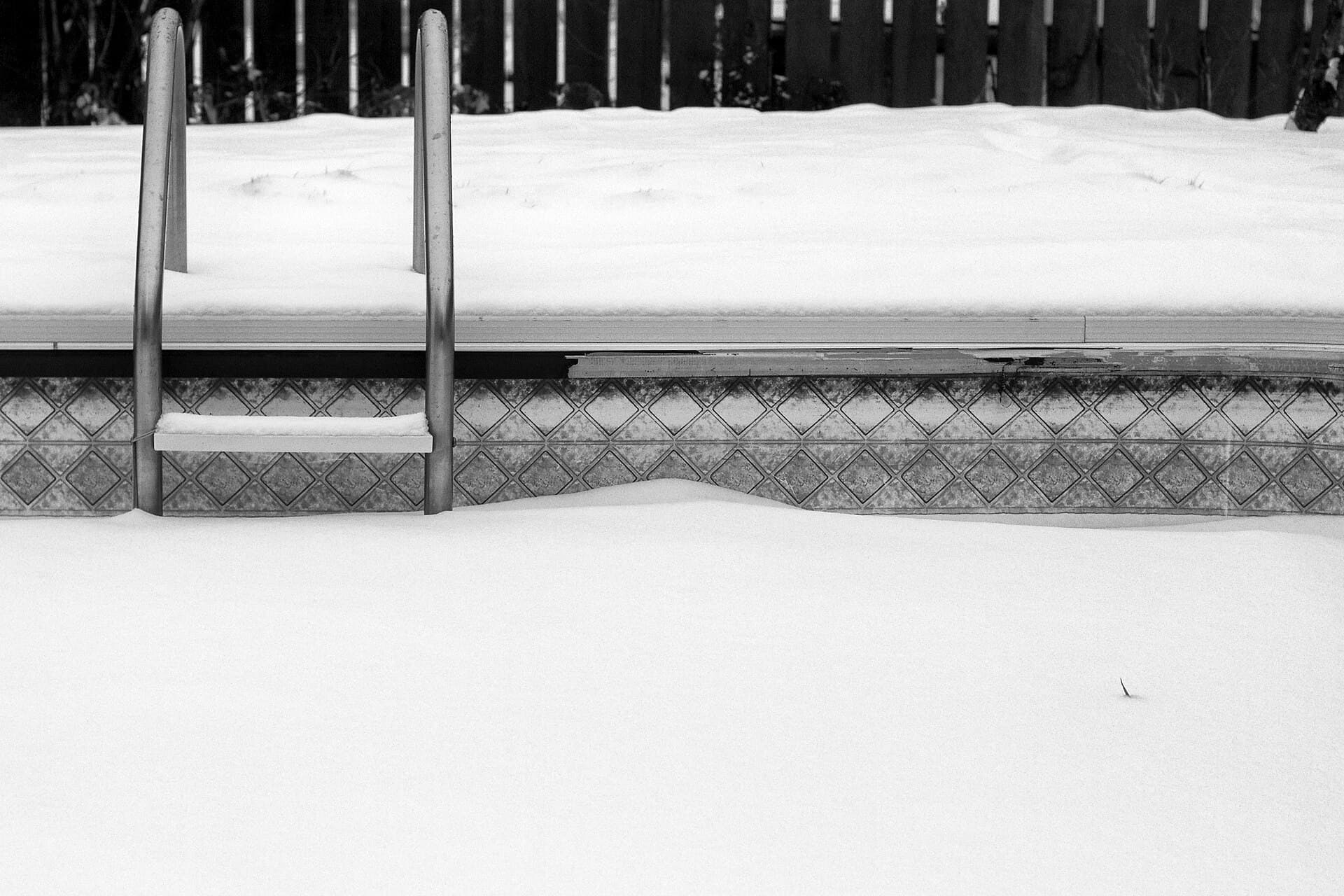
Hard freezes crack fittings, ruin pumps, and leave pools dead when the thaw hits. Acting quickly limits water loss and equipment damage. We inspect the pad, plumbing, and motors and get systems circulating again.
What we do
- Inspect pumps, unions, valves, and exposed plumbing for freeze cracks
- Repair or replace damaged equipment and fittings
- Restore circulation and check for related heater or filter issues
- Share simple freeze prep steps for the next cold snap
When to call
Call after a freeze if you see leaks on the pad, the pump won’t run, or water loss started when temperatures dropped.
What February 2021 taught DFW
Winter Storm Uri took the metro to −2°F — the coldest reading in 72 years — and roughly 69% of Texas households lost power, which killed the freeze-protection circulation most pools rely on. Texas pools are almost never winterized the way northern pools are, so the damage was everywhere: burst PVC return lines, cracked pump housings, shattered filter tanks, ruined heater heat exchangers. Repair demand across Texas jumped more than 500% in two weeks, and replacement equipment was backordered for months. Plenty of DFW equipment pads are still running the mismatched replacements installed that spring — worth knowing before the next hard freeze finds the weak link.
Why Texas pools break in a freeze
A North Texas pool survives cold weather by moving water, not by draining. When power fails or a pump trips during a hard freeze, water sitting in exposed plumbing and equipment freezes and expands about 9% — and something has to give, usually a fitting, a pump volute, or a filter tank. Raised spas, waterfalls, and shear descents are the worst-hit features because water gets trapped inside them with nowhere to expand. As a rule of thumb, unprotected equipment is in the danger zone once temperatures hold below freezing for more than about four hours.
After the thaw: the hidden second wave
The damage you can see on the pad after a freeze is only round one. Underground pipes that partially froze can develop micro-fractures that leak slowly for months — showing up later as unexplained water loss, soft or eroding soil near the pool, or deck settling. After any serious freeze event, watch the water level closely for a few weeks, and if the pool is losing more than evaporation explains, pressure-testing the lines is the way to catch a hidden leak before it undermines the deck.
Questions people ask about this
Straight answers to the questions homeowners and property managers ask most — written so you can act fast in DFW heat, storms, and swim season.
What pool parts crack first in a Texas freeze?
Exposed fittings, pump housings, heater headers, and inadequately circulated lines. Find wet spots on the pad after the thaw — that’s often your first clue.
My pump worked before the freeze and now it leaks — is that freeze damage?
Very likely a cracked housing or union. Shut off power if water is near electrics and schedule repair; running a cracked wet end can worsen the break.
Will homeowners insurance cover freeze-damaged pool equipment?
It depends on the policy and cause. Document damage with photos and invoices. Coverage varies widely — ask your carrier; we can document the equipment failure for your records.
Is antifreeze required for DFW pools?
Most in-ground pools rely on circulation and plumbing design rather than RV antifreeze. Some features or rarely used lines may need special winterizing — ask based on your equipment layout.
Pool water level dropped after a freeze — leak or ice effect?
Could be either: cracked plumbing from freeze, or odd level readings while ice/slush was present. Recheck level after thaw and run a bucket test if it keeps dropping.
Should I turn everything off during a hard freeze?
Don’t shut systems down if freeze protection depends on circulation. Turning everything off is a common way homeowners get cracked equipment overnight.
Freeze protection mode was on and we still got cracks — why?
Power outages, dead pumps, or lines that don’t actually circulate can beat freeze mode. After repairs, we verify freeze settings and which circuits truly move water.
The pressure gauge cracked in the freeze — urgent?
Replace it when you can; it’s a diagnostic tool and a small leak point. Not usually the same urgency as a cracked pump housing spraying the pad.
Should I buy a pump blanket or insulated wrap?
They can help on exposed pads, but circulation and sound plumbing matter more. Wraps aren’t a fix for a non-running freeze-protect system.
After the thaw the pool is green and leaking — what first?
Stop major water loss if a pad fitting is spraying, restore circulation if safe, then chemistry. We’ll triage leak vs algae so you’re not paying twice for the wrong first step.
Related issues
See the full pool FAQ hub or browse pool issues.