Published July 27, 2026 · Home Builder Pool Pros
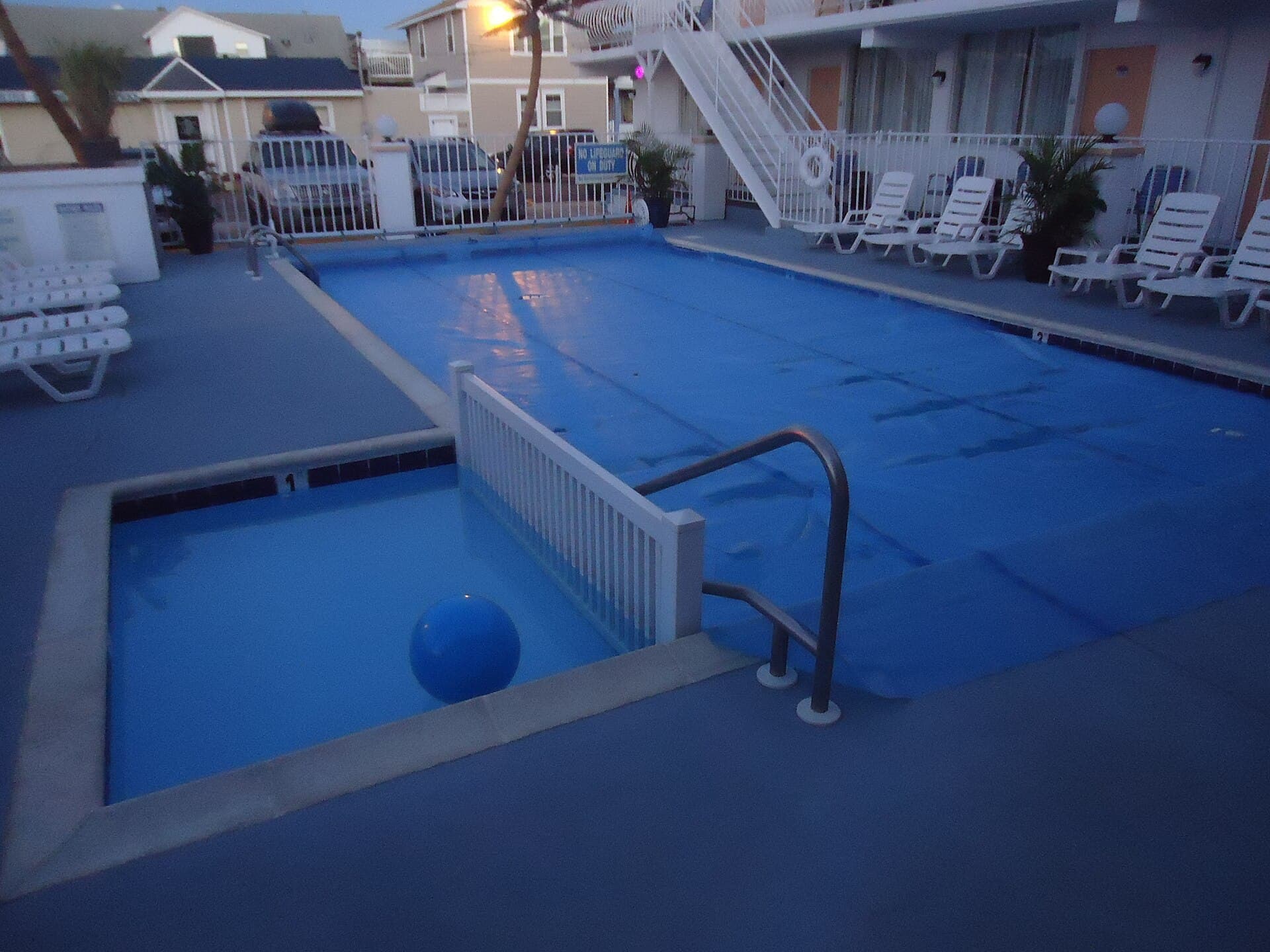
North Texas built its apartment stock in one great wave. Lake Highlands was rezoned for multifamily in 1971 and boomed through the early '80s; the Trinity Mills corridor in Carrollton filled with garden communities around 1981–83; East Plano's Park Boulevard stock dates to the same years. The pools went in with the buildings — which means thousands of amenity pools in this metro are now past forty, running original gunite shells and under-deck plumbing designed in the Carter administration. Some of them look great. Most of them are one bad season from an expensive surprise. Here's how to operate one honestly.
Why so many DFW pools are exactly this old
The 1970s–80s garden-style apartment community — two stories, courtyards, a pool at the center — is the dominant housing format across northeast Dallas, Garland, Carrollton, and East Plano. Dallas's Lake Highlands district alone holds roughly 24,000 rental units, most of that vintage, and the biggest single example sits nearby: The Village, roughly 7,250 units across 18 neighborhoods built starting in 1968, with around 30 pools on one property. These pools weren't built with 40-year plans. They got replastered when they peeled, repumped when they died, and passed between owners every few years — each sale resetting institutional memory about what's actually under the deck.
What actually fails at 40
- The shell: plaster is a 8–12 year surface, so a 1982 pool is on its third or fourth finish — and if any cycle was skipped or acid-washed too many times, the surface is rough, stained, and drinking chemicals
- Under-deck plumbing: original PVC and copper runs develop leaks that masquerade as evaporation — unexplained water loss, soft soil, and settling deck sections are the tells
- Skimmers: sun-rotted skimmer throats and mouths crack where deck meets shell, a classic slow-leak point on this vintage
- The equipment pad: a 40-year-old pool is often on its fourth pump, and each replacement was usually whatever fit the budget that year — mismatched hydraulics that overwork the newest component
- Coping and tile: freeze-thaw cycles (2021 did real damage metro-wide) pop coping stones and waterline tile, which is both a safety citation and a water-intrusion path
- The stuff around the pool: original gates and fencing that predate current enclosure standards, decks with trip hazards, and drain covers of unknown age
Limp along or renovate: the actual math
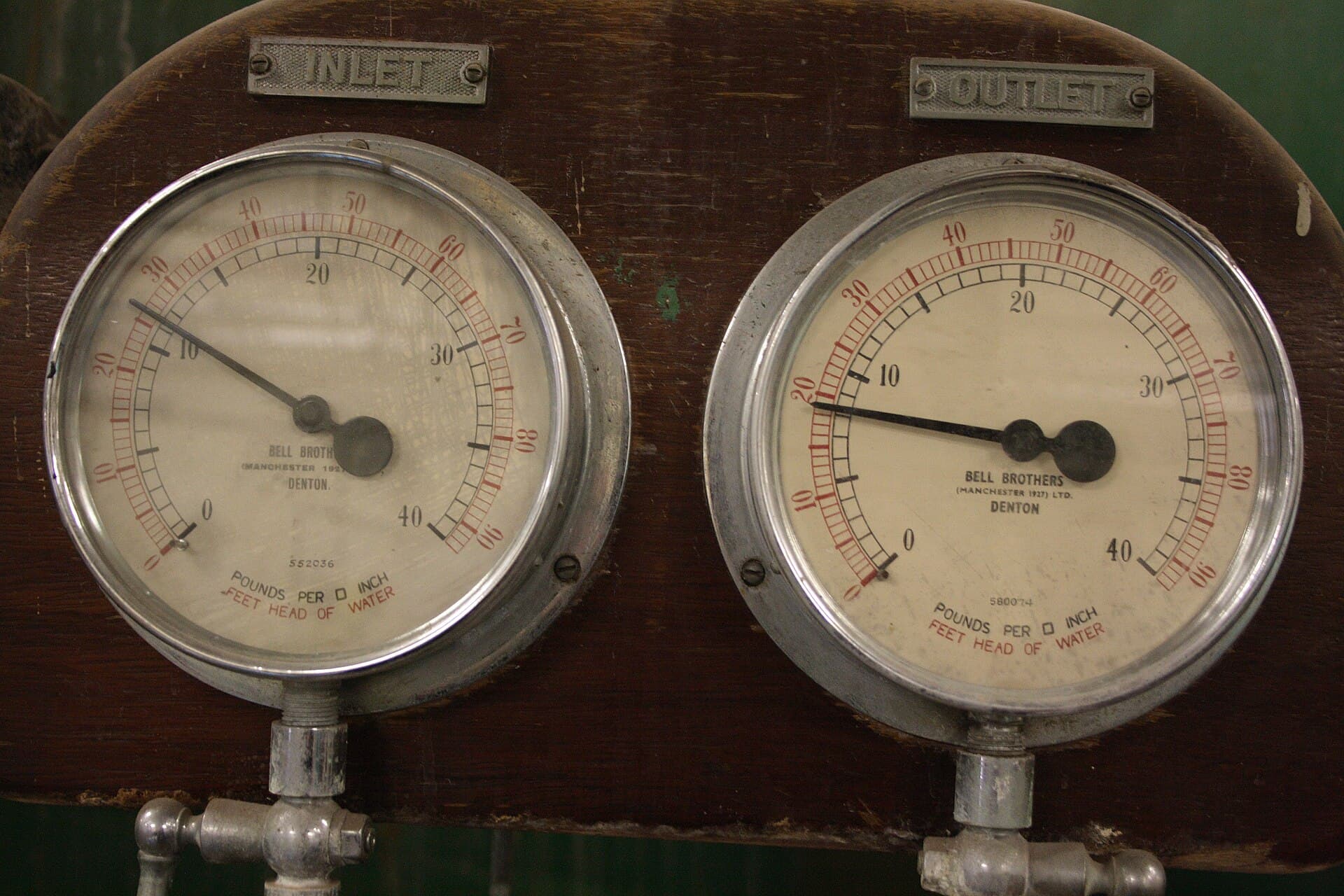
The operating rule for aging equipment is the 50% rule — when a repair exceeds about half the installed replacement cost, replace it. The harder call is the shell and pool area, and the market has mostly answered it: nearly every 1980s community that trades in this metro gets a pool-area renovation within 6–18 months of closing, because the buyers underwrite it. Trade-press case studies put pool-area renovations inside value-add programs at real money — one documented rehab spent $300,000 on two pool areas as part of a program that lifted rents $125 a unit — and the reasoning holds for long-term holds too: a pool that eats a $3,000 emergency every season while looking tired in every leasing photo is more expensive than it appears on the maintenance ledger.
If a renovation is coming, sequence it in the off-season and bundle everything that shares the drain-down: replaster, waterline tile, coping, light niches, and any under-shell plumbing repairs. Mobilization and the drain/refill are the shared costs; paying them twice is the most common renovation mistake we see.
Passing inspection with old infrastructure
Age doesn't exempt a pool from much. The federal drain-cover law applies to every apartment pool regardless of vintage, and covers expire on their marked service life — on old pools, nobody knows the install date, which is itself the finding. Replacement signs must meet current spec even at grandfathered pools. Texas's fence law does grandfather pre-1994 enclosures on some points (existing chain link survives with tighter opening limits), but the self-latching gate rules and the non-waivable 31-day inspection duty apply in full. And renovation resets the clock: replaced depth markers, new signage, and rebuilt enclosures must all meet today's standards, which is worth budgeting when you scope the renovation.
The practical pre-season move for an old pool is a documented walk: drain-cover dates, gate self-latch function, signage against the current inventory, coping and deck trip hazards, and a real look at the equipment pad. Old pools pass inspections all the time — the ones that fail are the ones nobody walked in February.
The leak question every old pool eventually asks
A DFW pool loses real water to summer evaporation, which is how under-deck leaks hide for years. The screening test costs nothing: the bucket test — a bucket of water on the step, marked, compared against the pool's loss over 24 hours with the pump off. If the pool is losing meaningfully more than the bucket, something is leaking, and on a 1980s pool the suspects in order are the skimmer, the return lines, and the shell fittings. Pressure-testing the lines settles it. Catching this early is the difference between a plumbing repair and re-doing a settled deck.
The aging-pool operating plan
- Build the component inventory: shell finish date, equipment install dates, drain-cover dates, last pressure test — if nobody knows, that's the to-do list
- Watch water loss monthly in summer; bucket-test anything suspicious before it becomes a foundation problem
- Fund the replaster now, because on this vintage it's not an if
- Match hydraulics when replacing equipment instead of buying piecemeal — the pad should work as a system
- Do the documented February walk every year: covers, gates, signs, deck
- When a renovation comes, bundle everything that shares the drain-down
Property vintages and market examples are drawn from published sources as of mid-2026; costs are published industry ranges. Every old pool is its own patient — a scoped assessment beats a generic plan.