Published July 31, 2026 · Home Builder Pool Pros
Hotel pool inspections in Dallas–Fort Worth fail on the same cluster of items every season: expired operator credentials, missing signs, propped gates, cloudy water, a spa without the 104°F warning, and an "emergency phone" that only rings the front desk. This checklist is the practical walk — not a city form number, and not Chapter 757 apartment language pasted onto lodging. Start with your city's deadlines and fees in the DFW commercial pool permit calendar, then work this punch list before the inspector arrives.
Start with the permit calendar, then walk the deck
There is no single DFW hotel pool permit. Dallas, Fort Worth, Arlington, Irving, and the rest run their own programs on top of 25 TAC Chapter 265. Dallas permits expire at the end of February and require a current city Manager of Pool Operations (MPO). Fort Worth runs a city operator course for apartment, hotel, and health-club pools (three-year card, posted by the permit) and charges $200 per body of water to reopen after closure. Use the permit calendar for fees, deadlines, and credential rules — then use the list below for the physical walk.
Hotels and motels are Class C lodging. Enclosure standards come from 25 TAC Class C rules, not Health & Safety Code Chapter 757. Do not checklist a hotel as if it were an apartment POA pool.
Permit & operator certification
- Current operating permit posted / available per city rules
- Dallas: city MPO credential current and on file for renewal
- Fort Worth: hotel (or applicable) city operator course card current and posted next to the permit
- Other cities: CPO/AFO or local equivalent per the permit calendar — name the on-site manager where required
- Spa counted as its own body for fees and reopen charges where the city bills that way
Signs — pool, spa, and lifeguard warnings
State rules require a specific sign inventory (Figure language in §265.190). Exact letter heights matter. Hotels without a lifeguard still need the no-lifeguard / warning cluster — Class C lodging is not "no signs." If a spa is present, add the spa list, including the 104°F temperature warning and emergency shutoff marking.
- No-lifeguard / warning signs as required for unguarded Class C operation
- No diving where depth requires it; under-14 supervision; hours; maximum user load
- Diarrhea / illness warning; no glass; no pets; emergency phone location; 911
- Spa: "DO NOT USE THE SPA IF THE WATER TEMPERATURE IS ABOVE 104 DEGREES FAHRENHEIT" (min 1")
- Spa: "EMERGENCY SPA SHUTOFF" marking at the shutoff (2") plus repeated diarrhea / under-14 / no-pets language
- Depth markers and deck "NO DIVING" symbols legible
Gates, enclosure, rescue gear, and emergency phone
- Gates self-closing and self-latching — not propped open for housekeeping carts
- Class C enclosure geometry and gaps per 25 TAC §265.192 (not a Chapter 757 monthly-log statute for pure lodging)
- Ring buoy with throw rope and a 12-foot (minimum) non-conductive reaching pole accessible
- Emergency phone within 200 feet, functioning, with location sign — must summon emergency services; front-desk answer generally does not count
- Seasonal note: when the pool is open for a season, the emergency summoning device must function 24 hours a day during that season
Clarity, chemistry, VGB, and logs
- Main drain clearly visible — cloudy water is a closure item
- Chemical levels in operating range; automatic feed in use (not hand-dosing while guests are in the water)
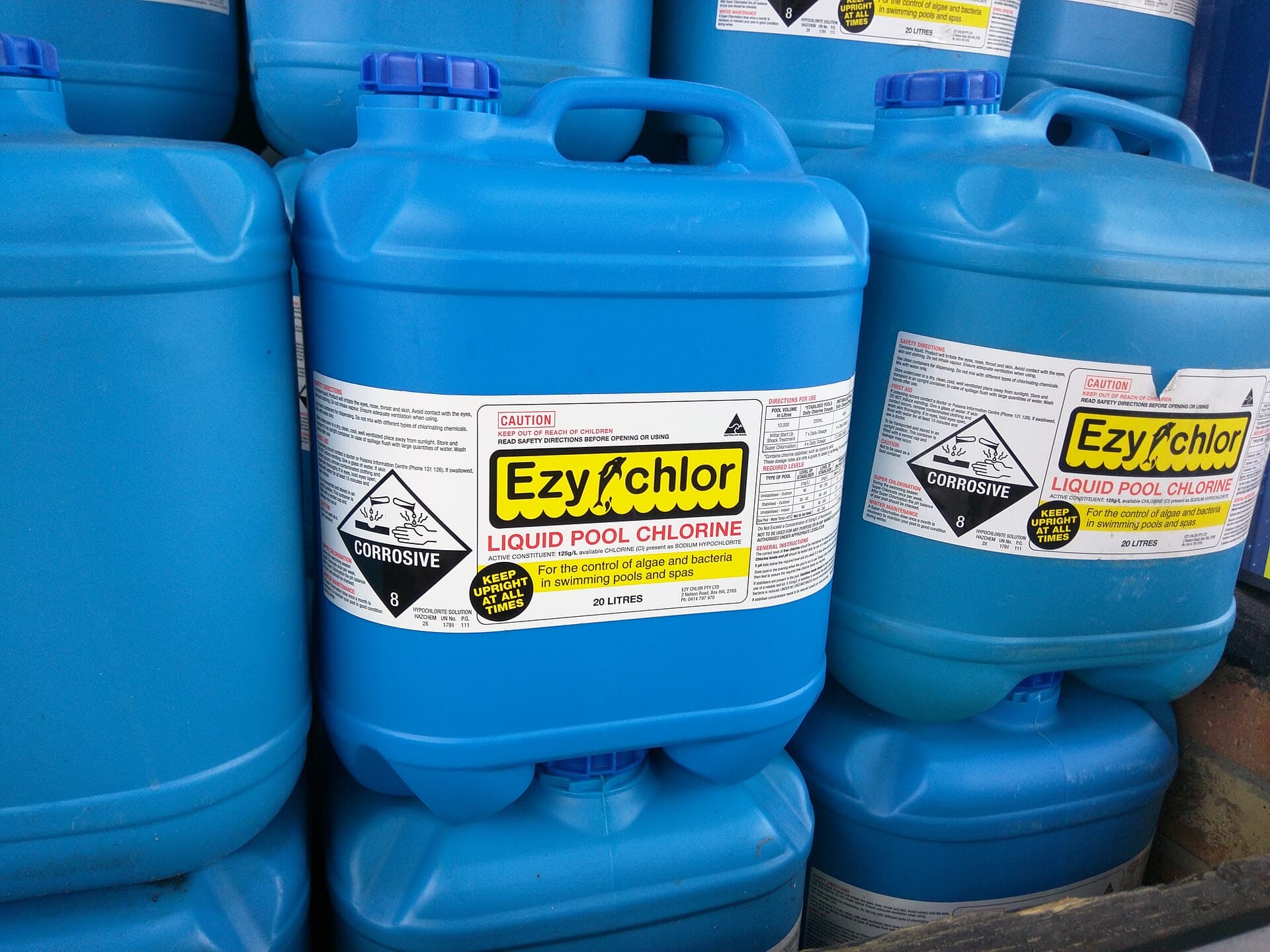
- Chemical storage secure, labeled, and placarded per fire/local rules
- VGB drain covers within marked service life; secondary anti-entrapment system if required
- Chemical test logs and fecal/remedial-action entries complete; retain records (state expectation commonly cited as three years)
- Spa temperature, chemistry, and shutoff verified on the same visit as the pool
How we use this checklist on commercial routes
Home Builder Pool Pros builds commercial lodging routes backwards from inspector favorites: clarity, gates, signs, VGB covers, emergency phone, and logs. The goal is that annual inspection is a formality and Fort Worth's $200 reopen fee (or peer-city re-inspection fees) never becomes the GM's weekend. Pair this punch list with the lodging hub and spa compliance guide when the property has more than one body of water.
General information only — not legal advice and not an official city inspection form. City checklists, fees, and operator rules change. Confirm current requirements with the local pool program before inspection day. Sign wording and letter heights should be verified against the current 25 TAC text and your city authority.