Published July 27, 2026 · Home Builder Pool Pros
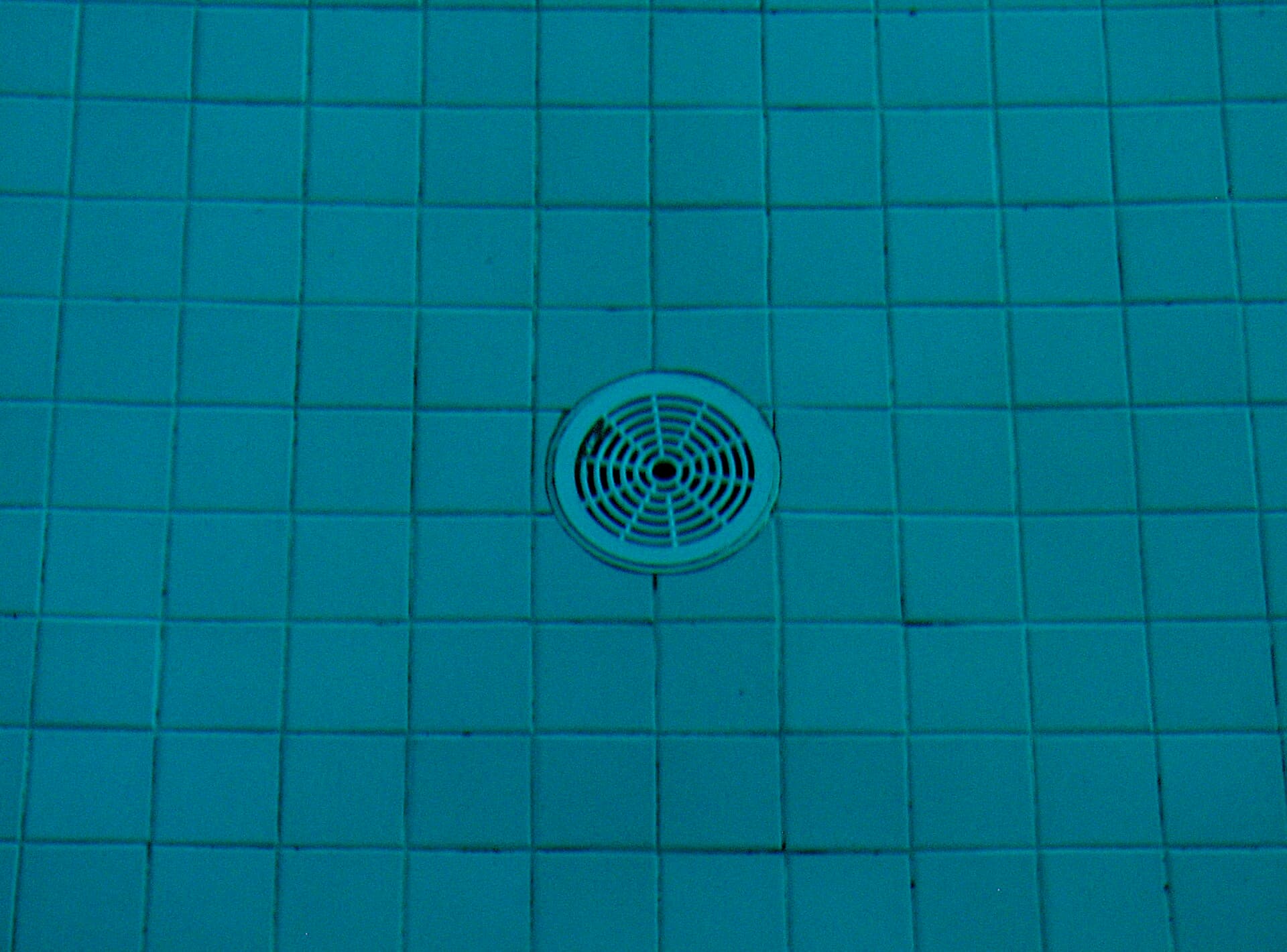
Here's a compliance fact that surprises nearly every property manager: while your resident-only pool escapes the ADA, it does not escape federal law. The Virginia Graeme Baker Pool and Spa Safety Act — passed after a seven-year-old was killed by a spa drain's suction — defines "public pool" to explicitly include pools open exclusively to residents of an apartment building or complex. The CPSC's annual compliance letters spell it out: apartment pools must have compliant anti-entrapment drain covers. And the part almost nobody knows: those covers expire.
What the law requires
- A compliant anti-entrapment cover (current standard: ANSI/APSP/ICC-16) on every submerged suction outlet — every main drain and every spa suction fitting
- If the pool has a single blockable main drain — or multiple drains on the same plane less than 3 feet apart — a secondary anti-entrapment system is also required: a safety vacuum release system (SVRS), suction-limiting vent, gravity drainage, automatic pump shut-off, or drain disablement
- Pools with multiple drains 3 or more feet apart, or with unblockable oversized drains, are exempt from the secondary-system requirement — but never from compliant covers
- A missing, broken, or expired cover means the pool closes until it's replaced
Covers expire even when they look fine
The drain-cover standard requires every cover to be marked with a rated service life, and the CPSC instructs operators to replace covers before that life runs out. Most covers on the market carry marked lives in the five-to-seven-year range (some metal covers run longer) — check what's stamped on yours. The reason is physics, not paperwork: plastic covers UV-degrade and lose the structural strength the certification tested, so a cover can look perfect and be brittle enough to fail under load. If nobody at your property knows the install date of the covers currently in the pool, that's the finding — keep written records of cover model, installation date, and expiration, and put the replacement on the calendar.
Texas enforces it locally, too
This isn't only a federal matter you'd never hear about. The Texas pool rule adopts the drain-cover and suction-entrapment-avoidance standards by reference, which means your city's health inspector — the same one checking your gate latches in the spring — can write up drain covers as a state-rule violation. In practice, VGB compliance in DFW is enforced at the local inspection level far more often than by the CPSC.
The stakes, honestly stated
Federal civil penalties for violations run up to six figures per violation under the CPSC's current penalty schedule, though enforcement against individual apartment operators is rare and mostly reminder-letter driven. The realistic exposure is different: in entrapment litigation, a non-compliant or expired cover is devastating evidence — a known federal standard, a marked expiration date, and no replacement record reads as negligence to any jury. Against that, compliance is one of the cheapest line items in pool operations: covers typically run $150–$500 installed, on a five-to-seven-year cycle.
This is exactly the kind of compliance a service vendor should own for you — tracking models, install dates, and expirations across every body of water, and replacing on schedule. It's a small log that removes a federal liability from the property's blind spot.
Summarizes the federal VGB Act, CPSC guidance, and Texas rule adoption as of mid-2026. Service life is per each cover's marking — verify yours rather than assuming a number.