Saltwater pool system service
saltwater pool service dallas
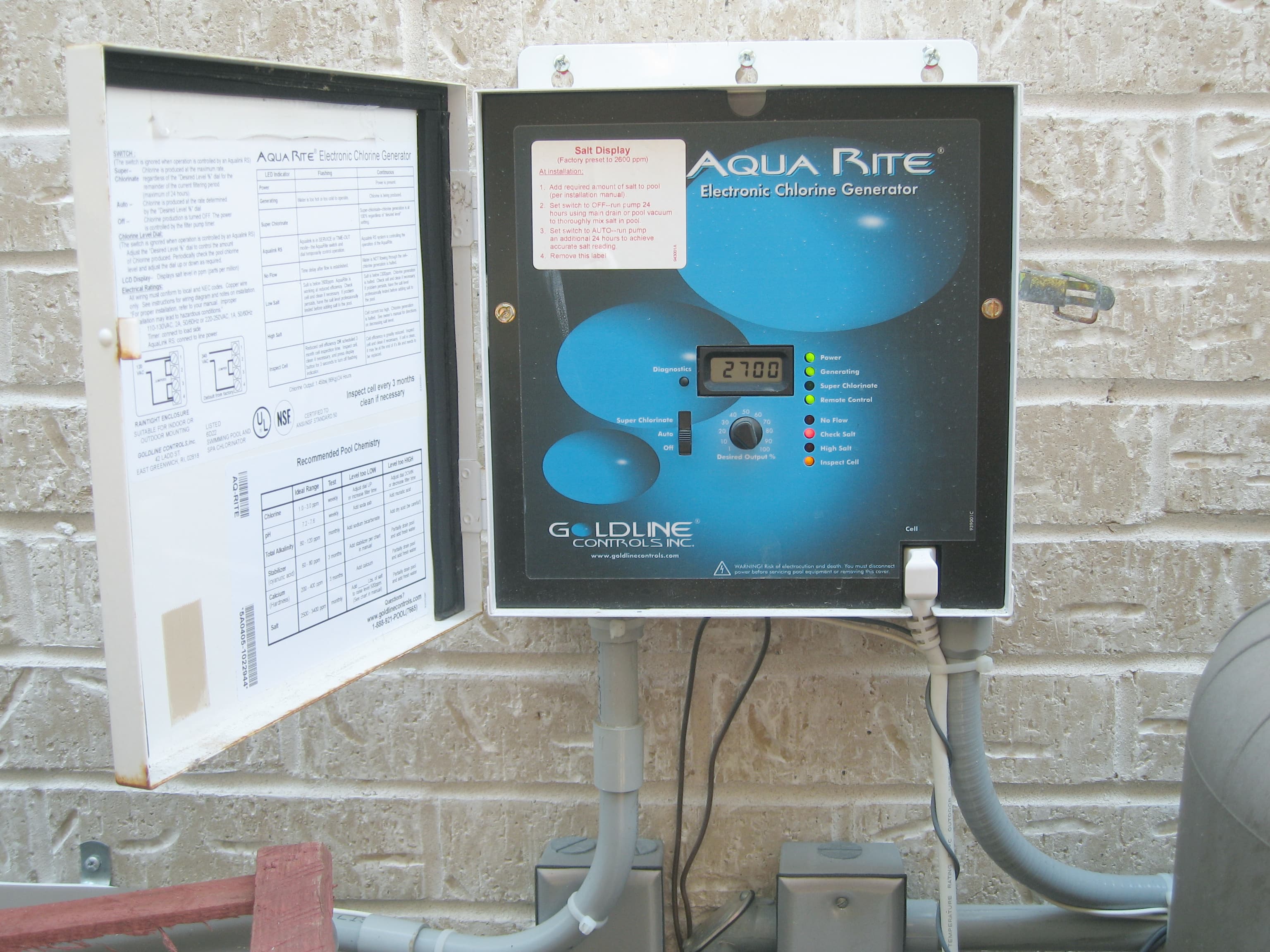
Salt systems fail quietly — a dirty cell, wrong salinity, or a bad power supply leaves chlorine low until the pool turns. We clean cells, correct salt levels, and fix chlorinator issues so generation stays steady through summer.
What we do
- Test salt level and inspect the cell for scale and wear
- Clean or replace salt cells when output drops
- Diagnose control boards, flow switches, and error codes
- Balance water so the system produces chlorine efficiently
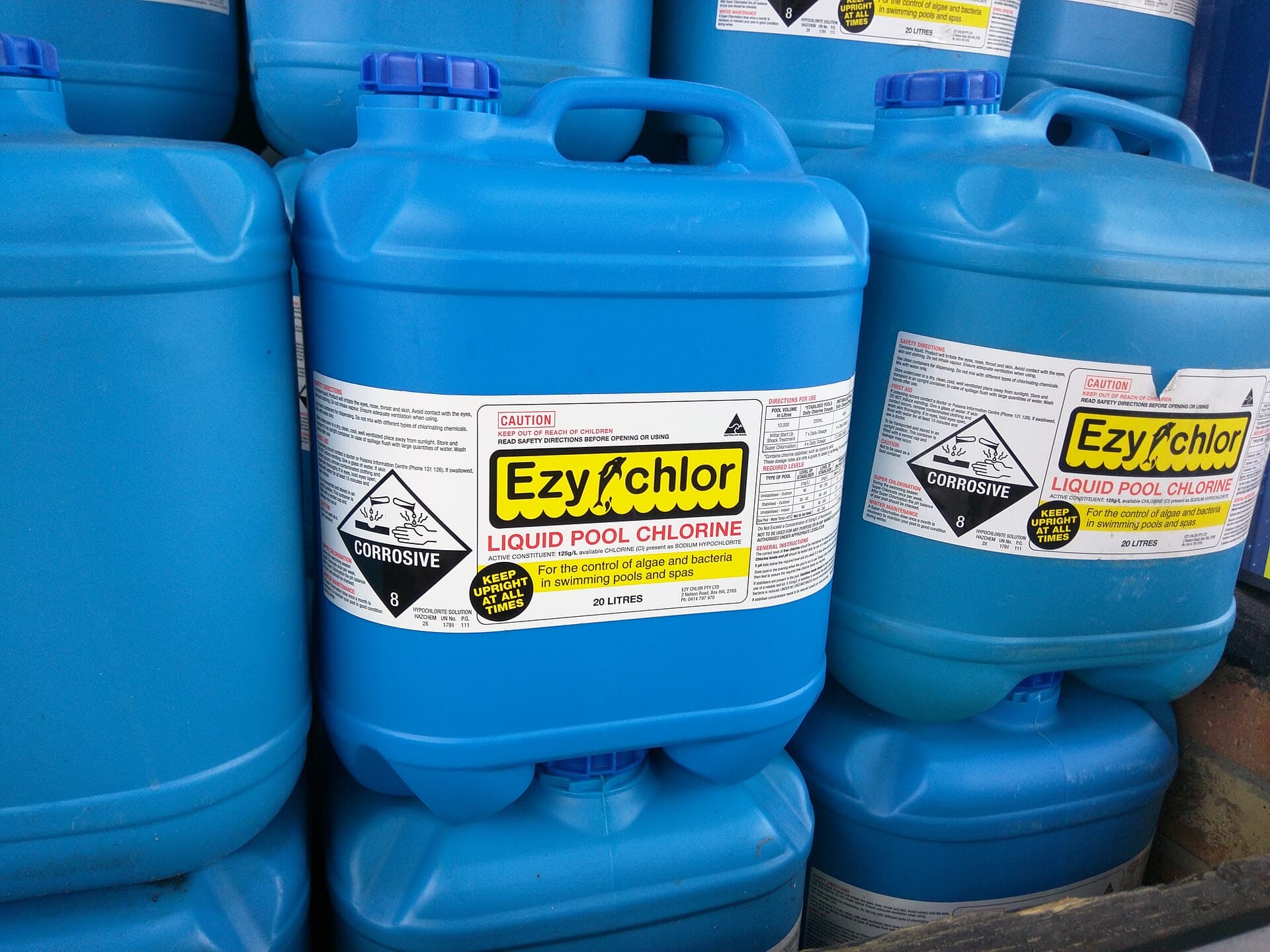
When to call
Book if you see low chlorine with the chlorinator on, salt alerts, or a cell that hasn’t been cleaned in a season.
The 300 ppm problem
If your pool is in Plano, Frisco, McKinney, Richardson, Garland, or Allen, it fills with North Texas Municipal Water District supply that arrives around 250–340 ppm calcium hardness — already above the ideal pool range before the water touches your pool. Calcium scale is the number one salt-cell killer: it plates onto the cell’s titanium plates, chlorine output drops, and the pool quietly loses sanitizer right when summer heat is driving demand up. Most "salt system failures" we see in Collin County are actually scale problems that were left to compound. Cities on Dallas water (Dallas, Carrollton, Addison, Irving) run softer — around 130–150 ppm — but still scale-positive in summer heat.
How we keep cells alive in DFW water
Cell replacement runs $500–$900, so the economics favor prevention. We manage the water’s saturation index on every visit — keeping pH in the 7.2–7.4 band where scale forms slowest — inspect cells on a schedule instead of waiting for error codes, and clean them properly when they need it (routine acid-bathing a healthy cell shortens its life). In peak heat we also check output percentage against actual chlorine demand: a cell running at 100% that can’t hold residual is telling you something, and catching it in July beats discovering it behind a green pool in August.
Questions people ask about this
Straight answers to the questions homeowners and property managers ask most — written so you can act fast in DFW heat, storms, and swim season.
Salt cell says “low salt” but I just added salt — why?
Salt needs time to dissolve and circulate. Cold water, a dirty cell, or a bad salinity sensor can also false-alarm. Brush undissolved salt, run the pump, and retest with a reliable meter.
How often should I clean a salt cell?
Inspect a few times per season; clean when scale builds on the blades. Over-acid-washing shortens cell life — clean only when needed and follow the manufacturer’s method.
Why is my saltwater pool still turning green?
The chlorinator may be set too low, the cell is scaled, salt is genuinely low, or the pump isn’t running long enough. Salt systems don’t replace brushing and filtration during algae season.
Do I still need to buy chlorine with a salt system?
Sometimes. After storms, heavy parties, or when recovering a green pool, supplemental chlorine helps. Day-to-day, a healthy cell should cover most sanitizer needs.
How long do salt cells last in Texas heat?
Often 3–7 years depending on hours, water balance, and cleaning habits. Hard water and aggressive acid washes wear cells faster.
Salt system error codes keep coming back after I clear them
Recurring codes mean an unresolved fault — flow switch, cell wear, board, or chemistry — not a glitch. Write down the code and schedule diagnosis instead of endless resets.
Salt cell lifespan — is “5 years” a hard rule?
It’s a rough average. Heavy runtime, poor balance, and aggressive cleaning shorten life; light use and gentle care can stretch it.
Can I switch back to tablets if the salt system dies mid-summer?
Yes as a bridge — use a floater or feeder carefully and watch CYA. Fix or replace the cell so you’re not stuck hand-chlorinating forever.
My salt level is fine but chlorine is still zero
Dirty cell, low output %, cold water cutback, failed power supply, or huge chlorine demand from algae/organics. Test free chlorine and inspect the cell blades.
Does rain dilute salt enough to matter?
Heavy rain and overflow can drop salinity. Retest after major storms before dumping more salt bags “just in case.”