Published July 31, 2026 · Home Builder Pool Pros
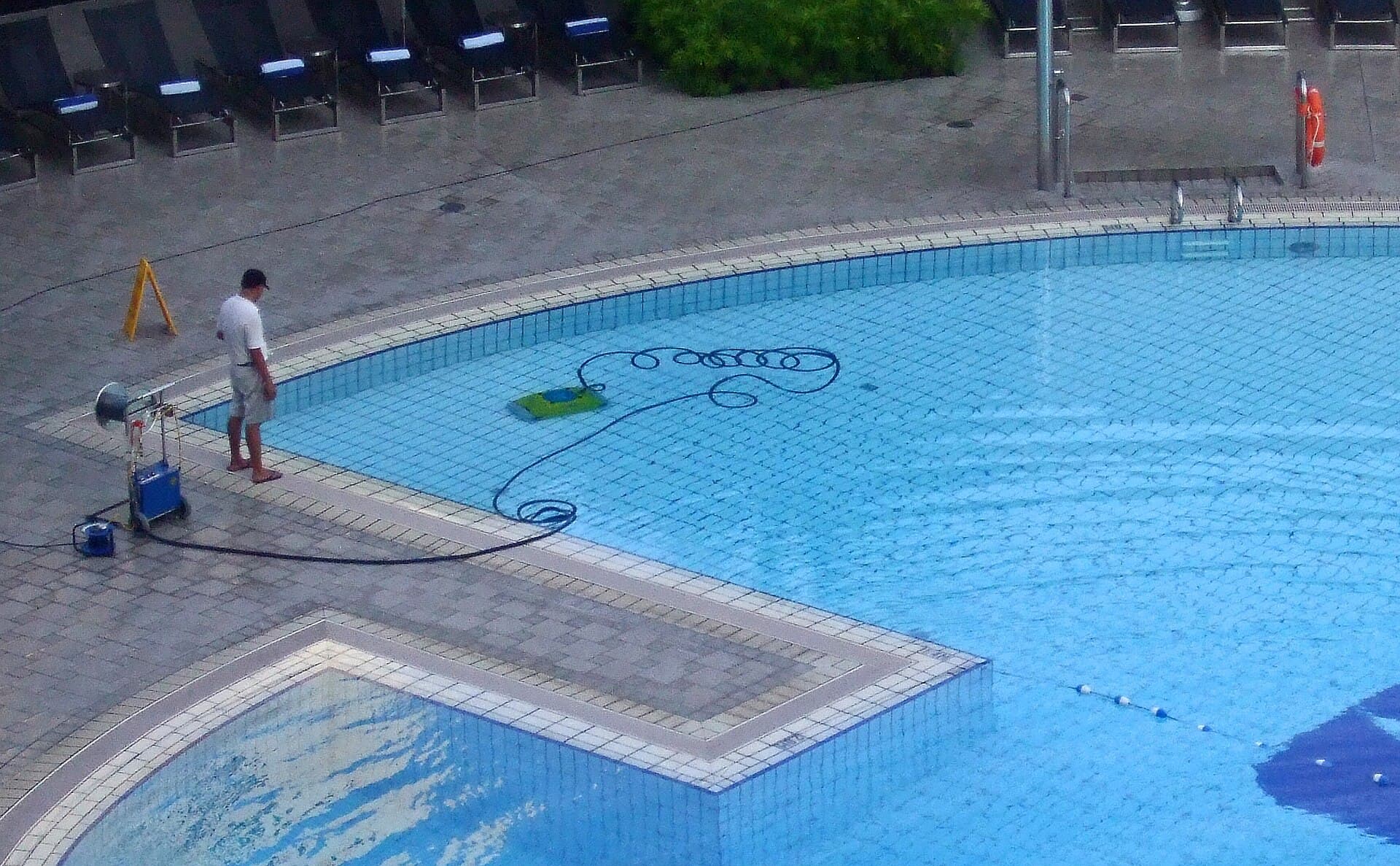
Final walkthrough is over. The equipment pad is labeled, the plaster is curing on a brush schedule, and somebody handed you a warranty packet. What most new DFW pool owners do not get spelled out is the split that matters for the next decade: structural and construction warranty stays with the pool installer. Weekly care — chemistry, filter pressure, salt cell output, freeze prep — can be that installer's maintenance arm, or an independent service company. This guide is the handover map: who to call for what, how major DFW installers handle post-build care, and what year one actually looks like on North Texas clay in Texas heat.
The split that matters: warranty vs weekly care
A custom gunite pool is a separate engineered structure from the house. The company that poured the shell, set the deck, and signed the contract owns the construction and structural warranty conversation. That does not automatically mean they own your Tuesday chemistry route forever — and it does not mean hiring independent service voids the shell warranty. Those are different channels.
Keep the installer's warranty contacts, punch-list notes, equipment model/serial list, automation login, and start-up chemistry sheet even if you never call them for a weekly visit. When a crack, settlement, or shell issue shows up, you will want that packet — not a text thread with a tech who never built the pool.
- Installer channel: shell, structural cracking, deck settlement tied to the build, finish punch list, published structural warranty claims, remodel of work they built
- Service channel: weekly chemistry and brushing, filter cleaning/backwash, salt cell inspection and cleaning, heater and pump diagnosis, green-to-clean, freeze readiness
- Equipment warranties often route through the manufacturer (and sometimes the seller/installer) — read the paperwork before assuming either party owns every pad failure
How DFW installers handle post-build care
Installers are not identical on maintenance. Some run a full service book. Others build and refer weekly cleaning out. None of that is a quality verdict — it is a business model — and homeowners can still choose either path unless a written warranty document says otherwise (confirm with your contract; most public marketing pages do not require their maintenance).
- Robertson Pools (Coppell / Frisco): publishes year-round weekly maintenance, repairs, leak detection, and green-to-clean from a dedicated service campus (561 S Coppell Rd) separate from its design/construction address — a full in-house post-build option if you want one builder for both
- Anthony & Sylvan Pools (Farmers Branch / Dallas division): national brand with a Dallas location that markets cleaning, water treatment, mastic, and equipment repair alongside new concrete pools that carry a lifetime structural warranty on concrete (terms and limitations apply; renovations are carved out)
- Venture Custom Pools (Plano / Roanoke / Waxahachie): focuses on design and construction; public FAQs state they do not run in-house weekly maintenance and recommend trusted partners for cleaning — renovations and certified leak detection remain in-house
| Installer | Weekly maintenance | Warranty theme (published) | Natural service fit |
|---|---|---|---|
| Robertson Pools | Yes — dedicated service line | Maintenance/warranty covered at walkthrough; exact structural terms less clear publicly | Their service book or independent weekly care |
| Anthony & Sylvan | Yes — Dallas maintenance offering | Lifetime structural on concrete (limitations); renovations excluded | Their plan or independent care; structure still routes to them |
| Venture Custom Pools | No — refers partners | Lifetime structural claimed on new builds (full PDF terms not public) | Independent weekly service by design |
When to call the installer vs a service company
Wrong call costs time. A service tech can clear green water and acid-wash a scaled salt cell; they should not be your first stop for a growing crack in the shell or a deck that is pulling away from the bond beam. An installer warranty desk can open a structural claim; they are the wrong inbox for "the chlorine is zero and the water is lime."
| Symptom | Call first | Why |
|---|---|---|
| Hairline or growing shell cracks; deck heave/settlement; tile popping in a pattern that looks structural | Installer (warranty) | Clay movement and construction coverage live on their side of the contract |
| Punch-list leftovers from handover (missing finish, automation not taught, start-up chemistry unclear) | Installer | Still inside the construction relationship |
| Green, cloudy, or dull water; algae bloom after a heat wave | Service company | Chemistry and filtration failure mode — not a shell claim |
| Filter PSI climbing vs the clean baseline you wrote down at handover | Service company | Dirty filter, poor circulation, or load — routine ops |
| Salt cell low output, scale, or "check salt" that will not clear | Service company | North Texas hard water scales cells; cleaning/diagnosis is service work |
| Heater fault codes, pump not priming, automation quirks after months of use | Service (then manufacturer/installer if under equipment warranty) | Start with diagnosis; route warranty claims with model/serial in hand |
| Suspected leak; unexplained water loss beyond summer evaporation | Depends | Service can bucket-test and pressure-test; some installers (e.g. Venture, Robertson) also market leak detection — use warranty posture if the leak looks construction-related |
Clay and heat: reading the failure mode
Large parts of Dallas–Fort Worth sit on expansive clay that swells wet and shrinks dry. That is a structural story — pier design, drainage, backfill — and it belongs with the installer when the shell or deck is the patient. Texas summer heat is a chemistry story: chlorine burns off fast, algae can accelerate in roughly a couple of days of neglect in peak heat, and hard fill water (often in the ~190–340 ppm hardness band depending on the city) scales salt cells and heaters.
Rule of thumb for year one: green water, rising filter PSI, and a tired salt cell are service problems. Cracks, settlement, and bond-beam/deck separation are installer problems. Do not wait on a structural concern hoping a shock treatment will fix it — and do not open a warranty ticket for algae.
- Service lane: green/cloudy water, high filter PSI vs clean baseline, scaled or under-producing salt cell, heater scale, summer chlorine demand spikes
- Installer lane: shell cracking, differential settlement, major deck shift, construction punch list, published structural warranty claims
- Keep both numbers: installer warranty contact and whoever runs your weekly route — North Texas pools need both channels available
First-year checklist after handover
Year one is mostly literacy and cadence, not more construction. Lock this down before the first stretch of 100-degree days.
- File the paperwork: contract, warranty (structural vs equipment), equipment model/serial list, automation login, water chemistry start-up sheet, as-builts or drain locations if provided
- Write down clean-filter PSI at handover — that number is your baseline when pressure climbs mid-season
- Decide the maintenance lane early: installer's service arm (where offered) or an independent weekly route — either is valid; drifting into DIY-until-August is how green pools start
- If you have a salt system: schedule salt tests and cell inspections; hard North Texas water scales cells quietly
- Watch calcium/scale on tile, the cell, and the heater — plan periodic cleaning rather than waiting for a fault code
- Build a freeze plan before the first hard freeze: circulate, protect the pad, or use a professional protocol (Uri-era damage in this metro was real)
- Keep gates self-closing and self-latching after landscaping settles — barrier maintenance is not optional
- Follow the installer's plaster/start-up brushing and chemistry instructions; aggressive early mistakes burn goodwill and can sour warranty conversations
- Budget operating cost as a real line item — local contractor content often cites roughly $3,000–$6,500/year for ownership (chemicals, service, power, repairs) as a planning range, not a quote
Installer-specific guides
Know who built the pool? Start with that installer's page for published maintenance posture, warranty themes, and when to call them versus independent service — Robertson, Anthony & Sylvan, Venture, Leisure Living, Remington, Selah, Lucent, and Platinum Pools of DFW are all covered in this series.
Home Builder Pool Pros is an independent pool service company and is not affiliated with, endorsed by, or sponsored by Robertson Pools, Anthony & Sylvan Pools, Venture Custom Pools, Leisure Living Pools, Remington Custom Pools, Selah Pools, Lucent Pools, Platinum Pools and Outdoor Living, Omega Pool Services, or any other builder or installer named on this page. Those names and related marks are trademarks of their respective owners and are used only to describe pools commonly found in the Dallas–Fort Worth area. Warranty terms, maintenance requirements, and exclusions vary by contract — always confirm with the original installer. This page is general information, not structural engineering, legal, or warranty advice.
Related
- Pool service for Robertson Pools
- Pool service for Anthony & Sylvan Pools
- Pool service for Venture Custom Pools
- Pool service for Leisure Living Pools
- Pool service for Remington Custom Pools
- Pool service for Selah Pools
- Pool service for Lucent Pools
- Pool service for Platinum Pools of DFW
- Pools for new-construction homes in DFW
- DFW master-planned community pools
- Residential cleaning & maintenance
- Green pool & algae treatment
- Schedule pool service