Published July 31, 2026 · Home Builder Pool Pros
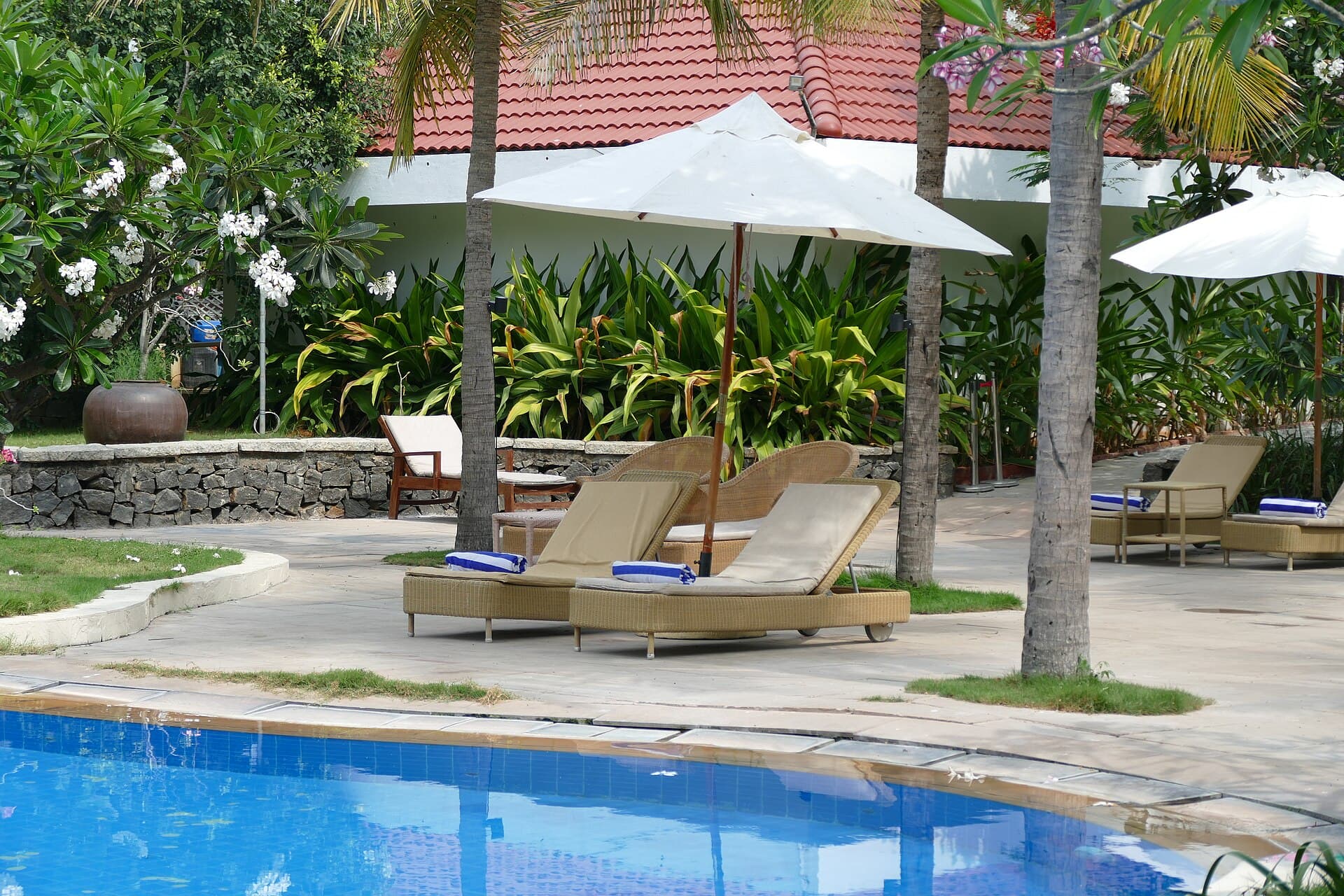
Hotel and motel pools in Dallas–Fort Worth are Class C lodging under 25 TAC Chapter 265 Subchapter L — limited to guests and their guests, not the general public. They are not apartment pools. Health & Safety Code Chapter 757 (multiunit rental and property owners associations) does not apply to overnight lodging; hotels use 25 TAC Class C enclosure standards instead. What does apply is the DFW city stack: Dallas Manager of Pool Operations (MPO), Fort Worth’s operator course that explicitly includes hotel pools, annual permits, logs, signs, and a spa that is often a second permitted body. This guide is for general managers, directors of engineering, franchise owners, and hotel management companies who need guest uptime — not a “wait until the leasing office opens” amenity cadence.
Class C lodging — not Chapter 757
Under 25 TAC §265.182(51)(i), Class C includes pools operated in conjunction with lodging — hotels and motels among them. The pool stays Class C while access is limited to occupants/guests and their guests. Open it to the general public (day passes, public swim events, non-guest cabana sales) and Class B operational standards — including lifeguards for that use — apply for the duration of that access. Above-deck entry features open for use and youth-group recreation can also trigger lifeguard rules.
Do not copy apartment fence language onto a hotel page. Chapter 757’s enclosure, gate, and ≤31-day inspection duties are written for multiunit rental complexes and POAs. Hotels follow Class C enclosure under 25 TAC §265.192. Shared content that still applies across lodging and apartments includes many sign themes, fecal-incident response discipline, and VGB drain-cover rules — enclosure geometry is the split that matters.
| Topic | Hotel / motel posture | Apartment contrast |
|---|---|---|
| Texas class | Class C lodging (guests + their guests) | Class C multiunit rental |
| Enclosure | 25 TAC Class C enclosure — not Chapter 757 | HSC Chapter 757 |
| Uptime pressure | Nightly guest reviews / OTA scores | Resident complaints / renewals |
| ADA framing | Public accommodation (Title III) — access rules differ from resident-only apartments | Resident-focused amenity access |
Dallas MPO and Fort Worth hotel operator course
Dallas commercial pools require a city-issued Manager of Pool Operations (MPO) credential — separate from industry CPO cards — and permits commonly expire at the end of February. Fort Worth’s one-day operator course covers apartment, hotel, and health-club pools; the credential is typically valid three years and posted next to the permit. Fort Worth has also charged a $200 reopening fee after a city closure. Spa bodies are often separately permitted and fee’d in most DFW cities.
Fee tables and course schedules change. Use the commercial permit calendar guide as the living checklist for Dallas, Fort Worth, Arlington, and neighboring cities — this page only flags the hotel-relevant credentials.
- Dallas — MPO required; watch the February permit cycle
- Fort Worth — operator course explicitly includes hotel pools; reopen fee after closure
- Post credentials next to the permit where the city expects them
- Treat the spa as its own permit/fee object, not a free add-on to the pool line
- Keep chemical logs and fecal-incident records inspection-ready year-round
Guest uptime — what hotel buyers actually buy
Apartment amenity downtime is painful. Hotel pool downtime shows up in same-night reviews. General managers, regional asset managers, and third-party management companies buy commercial routes that protect clarity and temperature through weekend event loads, lean overnight staffing, and brand or mystery-shop audits. Chemistry that “usually looks fine by Tuesday” is not a hotel product.
High weekend and event bather load with thin overnight coverage is the classic failure mode: Friday evening to Sunday morning is when free chlorine, pH, and clarity drift if the contracted cadence is apartment-weekly. Freeze and heater failures on year-round heated outdoor or indoor hotel pools are the winter version of the same uptime story — Uri-class events hit heater inventory hard across the Metroplex.
- Who buys: GMs, directors of engineering/facilities, franchise owners, hotel management companies
- Weekend/event load + lean overnight staff → chemistry gaps between Friday and Sunday
- Glass is prohibited statewide in the pool yard; alcohol on deck is property/TABC/local policy, not a state pool ban
- Brand SOPs (Marriott, Hilton, IHG, etc.) vary — ask the operator for the brand checklist; do not invent one here
- Addison’s dense hotel corridor is a practical DFW lodging-pool service cluster — most properties carry a pool and/or spa on annual commercial permits
Spa as a separate body
Hotel spas and hot tubs are separately regulated under the same Subchapter L framework and often carry their own city fee. Neglected spa chemistry, temperature control, 104°F posting, or emergency shutoff signage can close the spa even when the lap or leisure pool is fine. Budget and contract language should name bodies — “the pool” as one line item is how spa closures surprise the GM.
- Separate chemistry targets and bather load from the main pool
- Confirm 104°F and emergency shutoff sign expectations with current state/city checklists
- Include spa in vendor scope, logs, and seasonal heater checks
- See the commercial spa compliance guide for hotel/club/HOA detail
Extended-stay and all-suite note
Extended-stay and all-suite properties usually keep the same Class C lodging legal posture as full-service hotels — Dallas MPO, Fort Worth hotel operator course, enclosure not Chapter 757. The ops difference is staffing and guest behavior: leaner front-desk and engineering coverage, often a smaller outdoor pool with limited deck service, and guests who stay weeks or months and treat the amenity more like a residential pool (kids, daily use) while the regulatory class remains lodging. That combination increases reliance on a contracted commercial route and daily visual checks that on-property F&B or pool attendants would otherwise catch at a resort hotel.
Schedule hotel amenity service
Home Builder Pool Pros services commercial amenity pools for hotels and motels across Dallas–Fort Worth. We are not affiliated with any hotel brand and we do not replace city permits or brand QA. If your property needs a Class C lodging route that treats guest uptime and the spa as first-class problems, schedule a site visit.
This page is general information, not legal advice, brand-standard advice, or a substitute for city health department rules. Hotel enclosure duties follow 25 TAC Class C standards — not Health & Safety Code Chapter 757. Confirm current Dallas MPO, Fort Worth operator, permit, fee, ADA, and insurance requirements with the city and counsel before you open or advertise public access.
Related
- Commercial pool service
- Schedule pool service
- DFW commercial pool permit calendar
- DFW commercial & lodging pools hub
- Extended-stay & all-suite hotel pools
- Hotel pool inspection checklist
- Commercial spa & hot tub compliance
- Indoor pool maintenance in DFW
- Airbnb & short-term rental pool rules
- Texas apartment pool sign requirements
- Apartment pool fecal incident response
- VGB drain cover rules
- ADA pool lifts (apartment contrast)
- Budgeting pool maintenance
- Amenity pool opening-day playbook